

Breakfast Foods. Have you ever felt like you’re doing everything right, yet the numbers on the scale continue to creep upward?
It is a frustratingly common phenomenon: you haven’t changed your diet, you aren’t indulging in midnight snacks, and you’re staying relatively active. Yet, clothes not feel tighter, and your energy levels seem to dip just when you need them most.
This shift often becomes glaringly obvious after the age of 40. While we often blame our dinners or the occasional weekend dessert, the real culprit frequently hides in plain sight at the very beginning of our day.
Our morning habits, many of which we’ve perceived as “healthy” or “harmless” for decades, can become the primary drivers of weight gain as our physiology changes.
Breakfast Foods and real situation.
As we age, our metabolism naturally decelerates. This means the body becomes less forgiving of nutritional imbalances. In your 40s and beyond, breakfast isn’t just a meal; it’s a metabolic thermostat that sets the tone for your blood sugar, hormones, and hunger signals for the next 16 hours.
By making small, strategic adjustments to your morning routine, you can regain control over your weight without resorting to restrictive dieting.
Here are five common breakfast mistakes that are likely sabotaging your progress and how to fix them for long-term success.
Breakfast Food and Portion Distortion.
Why “Normal” Portions Are No Longer Working.
The first and perhaps most subtle mistake is failing to adjust portion sizes. Many of us are still eating the same amount of food we did in our 20s. However, as our caloric requirements decrease with age, those “habitual” portions transform into a consistent caloric surplus.
A delicious breakfast is easy to overeat, especially when it involves calorie-dense ingredients like nuts, artisanal cheeses, or bakery-fresh breads. Even “healthy” fats carry significant calories.
For instance, a handful of walnuts or a generous smear of almond butter can add 200–300 calories to your meal in seconds. When you aren’t mindful, a nutritious breakfast can easily exceed the caloric density of a large lunch.
The Fix:
Stop estimating by eye. Our internal “hunger meter” is often calibrated by habit rather than actual need. For a few weeks, use a kitchen scale or measuring cups to understand what a serving size truly looks like. Instead of eating until you are “stuffed,” aim for “satisfied.”
By controlling the volume of calorie-dense foods, you allow your metabolism to process energy more efficiently.
The Protein Gap.
The Secret to Silencing Mid-Morning Cravings.
A common breakfast mistake is focusing solely on carbohydrates (toast, fruit, or cereal) while ignoring the importance of protein. Protein is not just for bodybuilders; it is a vital tool for weight management.
It has the highest thermic effect of food, meaning your body burns more calories digesting protein than it does fats or carbs. More importantly, protein regulates “ghrelin,” the hormone responsible for signaling hunger.
When you eat a breakfast lacking in protein, you might feel full for an hour, but your blood sugar will soon drop, triggering intense cravings long before lunchtime.
This leads to the “grazing habit” reaching for crackers, lattes, or sweets at 11:00 AM.
The Fix:
Every breakfast should contain a high-quality source of lean protein. Consider eggs, Greek yogurt (unsweetened), legumes, or even a lean portion of poultry.
Even a small addition, such as mixing collagen peptides into your coffee or adding a side of cottage cheese, can drastically change how your body processes the meal and keep you satiated until your next scheduled feeding.
The Sugar Trap.
The Hidden Weight Gainers in “Healthy” Options.
Perhaps the most dangerous mistake is an excess of hidden sugars. We often associate sugar with donuts and pastries, but it hides behind labels like “organic honey,” “fruit juice,” and “low-fat granola.”
Many commercial breakfast cereals and “healthy” energy bars are essentially candy bars in disguise. Eating sugar or refined flour first thing in the morning causes a sharp spike in insulin. Insulin is your body’s primary fat-storage hormone. When insulin is high, the body stops burning fat and starts storing it.
Furthermore, the inevitable “sugar crash” that follows a sweet breakfast leaves you feeling fatigued and irritable, making you more likely to choose high-calorie comfort foods later in the day.
The Fix:
Swap simple sugars for complex structures. If you crave sweetness, use whole berries which provide antioxidants and fiber to slow down sugar absorption. Avoid processed jams and sweetened yogurts.
Reading labels is essential if sugar (under any name) is one of the top three ingredients, it’s best to leave it on the shelf.
The Fiber Deficiency.
The Missing Link in Metabolic Health.
Modern breakfasts are often “refined,” meaning the fiber has been stripped away. Fiber is the unsung hero of weight loss; it slows down digestion, ensures a steady release of energy, and feeds the healthy bacteria in your gut.
A lack of fiber means food moves through your system too quickly, providing a burst of energy followed by a void that feels like hunger.
After 40, digestive health becomes even more critical for weight management. A low-fiber diet can lead to bloating, sluggishness, and increased visceral fat (the dangerous fat around the midsection).
The Fix:
Incorporate “slow” carbs. Steel-cut oats, vegetables (like spinach in an omelet), beans, and whole grains are excellent sources of fiber. These foods provide volume without excessive calories, helping you feel physically full while supporting your metabolic health.
The Skipping Strategy.
Why Not Eating Can Lead to Gaining.
On the surface, skipping breakfast seems like a logical way to cut calories. “If I don’t eat, I must lose weight,” the logic goes.
However, for many people, this backfires spectacularly. Research suggests that skipping the morning meal can disrupt the circadian rhythm of your metabolism and lead to “compensatory eating” later.
Those who skip breakfast often find themselves ravenous by evening, leading to large dinners and late-night snacking the exact time when the body is least prepared to burn off excess energy.
Furthermore, chronic meal skipping can increase cortisol levels (the stress hormone), which is directly linked to increased abdominal fat.
The Fix:
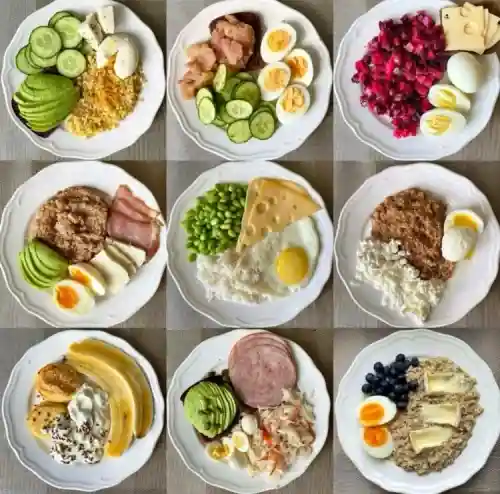
Focus on balance rather than restriction. A well-rounded breakfast containing protein, fiber, and healthy fats is an investment in your willpower for the rest of the day.
Don’t be swayed by “aesthetic” breakfast trends on social media that prioritize appearance over nutrition; focus on what makes your body feel stable and fueled.
Conclusion.
Small Changes, Significant Results
Controlling your weight after 40 doesn’t require a radical lifestyle overhaul or depriving yourself of joy. Often, it is about correcting these “invisible” errors that have become part of our daily routine.
By prioritizing protein, embracing fiber, and being mindful of portions and sugar, you transform breakfast from a weight-gain trigger into a powerful tool for health.
Consistency is the key. Start tomorrow morning: choose one of these areas to improve, and observe how your body responds. You might find that the “mysterious” weight gain finally begins to reverse, simply because you gave your body the right start.
