
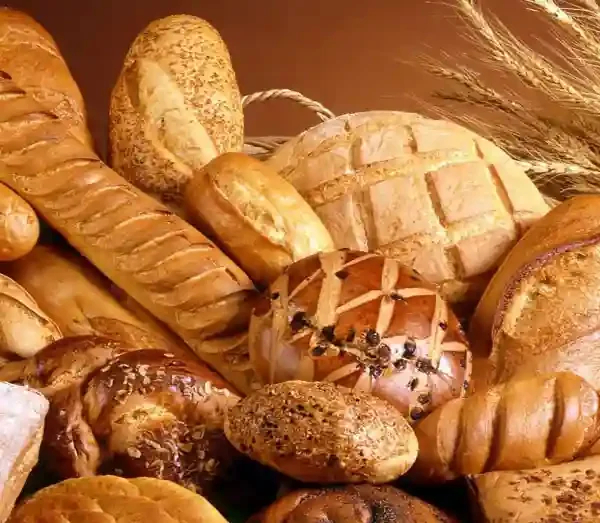
Your Bread. Let’s be honest: bread is basically a hug in food form. Whether it’s the smell of a fresh sourdough loaf wafting from a bakery or the satisfying crunch of a morning toast, bread is a cultural and culinary staple.
Yet, in the modern wellness world, bread has been cast as the ultimate dietary villain. We’ve been told it’s the primary driver of the “wheat belly,” the enemy of weight loss, and the reason for our mid-afternoon energy crashes.
But is bread actually the culprit behind those extra pounds, or has it just become a convenient scapegoat?
If you’ve ever felt a pang of guilt while reaching for the bread basket, or if you’ve noticed that a single slice leaves you feeling like you’ve swallowed a brick, this guide is for you.
We are going to deconstruct the myths, look at the science of digestion, and find out how you can have your bread and eat it too without the bloat or the weight gain.
Your Bread, Actually Make You Gain Weight?
The short answer is no. Bread, in and of itself, is not a “fat-making” food. To understand why, we have to look at the fundamental law of thermodynamics in human nutrition: Energy Balance.
Weight gain occurs when there is a consistent calorie surplus meaning you consume more energy than your body burns for daily functions and physical activity. Whether those calories come from bread, avocados, or kale, if you eat more than you need, your body stores the excess as fat.
Why Bread Gets a “Bad Reputation”.
If bread isn’t inherently fattening, why do so many people lose weight the moment they cut it out? There are four main psychological and physiological reasons:
1. The Water Weight Illusion Carbohydrates are stored in your muscles and liver as glycogen. Every gram of glycogen is bound to approximately 3 to 4 grams of water.
When you stop eating bread (and other carbs), your body burns through its glycogen stores and releases that water.
You might lose 2–3 kg in a single week, but let’s be clear: that is water, not fat. The moment you eat a sandwich again, that water weight returns, leading to the false belief that “bread makes me fat.”
2. The Satiety Index Gap Not all bread is created equal. Highly processed white bread has a very low “satiety index.” Because the fiber has been stripped away, your body digests it rapidly, causing a sharp spike in blood glucose, followed by an equally sharp crash.
An hour later, you’re starving again. This “hunger roller coaster” leads to overeating later in the day, which is the real cause of weight gain.
3. The “Topping” Trap A slice of bread is usually about 70–100 calories. That’s not much. However, we rarely eat dry bread. We add thick layers of butter, processed deli meats, high-fat cheeses, or sugary jams.
Often, the bread is just the “delivery vehicle” for a 500-calorie topping bomb. We blame the vehicle, but we should be looking at the cargo.
4. Low-Barrier Overeating Bread is easy. It’s accessible, it doesn’t require cooking, and it tastes delicious. It is very easy to mindlessly consume four slices of bread while waiting for your main course at a restaurant. These “background calories” add up quickly without providing much nutritional satisfaction.
Solving Digestive Discomfort.
Many people avoid bread not because of calories, but because of how it makes them feel. If you experience heaviness, bloating, or lethargy after eating a sandwich, it’s not necessarily an allergy (like Celiac disease). The issue often lies in how the bread was made.
1. The Problem with “Fast” Bread.
In the traditional world, bread making was a slow art. Dough would ferment for 12 to 24 hours. In modern industrial bakeries, time is money. They use massive amounts of commercial yeast and chemical “improvers” to force dough to rise in under an hour.
Yeast fermentation process principle for drinks and food outline diagram
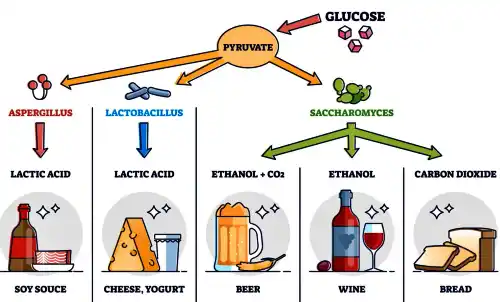
When bread isn’t allowed to ferment properly, the enzymes don’t have time to break down the gluten and phytic acid in the grain. Essentially, the bread is “unfinished,” and your gut has to do the heavy lifting that the fermentation should have done. This leads to gas and that “heavy” feeling.
The Solution: Look for authentic sourdough. The long fermentation process pre-digests many of the carbohydrates and breaks down gluten proteins, making it much gentler on the stomach.
2. Fructans and the FODMAP Factor.
Wheat contains fructans, a type of fermentable carbohydrate (FODMAP). Some people are sensitive to these. When fructans reach the large intestine, your gut bacteria ferment them, which can produce significant bloating in sensitive individuals.
The Solution: Try Spelt bread or Rye. Spelt is an ancient grain that is lower in fructans than modern wheat. Alternatively, fermented sourdough often has lower fructan levels because the bacteria consume them during the rising process.
Innovative Swaps: What to Use Instead of Bread.
If you are looking to reduce your calorie intake or simply want to add more variety to your diet, there are several “nutrient-dense” alternatives that provide a similar satisfaction without the heavy carb load.
• Vegetable Slices: Use thick slices of bell pepper, hollowed-out cucumbers, or large Romaine lettuce leaves as “wraps.” They provide a crunch and keep the focus on the protein and healthy fats inside.
• Sweet Potato “Toast”: Slice a sweet potato into 1 cm thick planks and pop them in the toaster (you may need to run it twice). It’s a fantastic, high-fiber base for avocado or poached eggs.
• Cloud Bread: A darling of the keto world, made from eggs and cream cheese. It’s light, airy, and almost entirely protein-based.
• Whole Grain Rice or Corn Cakes: These are low in calories and provide a satisfying “crunch,” though they lack the nutritional density of whole grains, so keep an eye on your portions.
The “Golden Rules” for Healthy Bread Consumption.
You don’t have to break up with bread to be healthy. You just need to change the nature of the relationship. If you want to maintain your weight and gut health, follow these three rules:
I. Choose “Real” Grains.
Ignore “multigrain” labels (which often just means “white bread with a few seeds on top”). Look for 100% whole grain or stone-ground rye. You want to see the texture. You want bread that is dense and heavy, indicating a high fiber content. Fiber is your best friend it slows down sugar absorption and keeps you full for hours.
II. The Power of Toasting and Chewing.
Believe it or not, the way you eat matters. Toasting bread can make it slightly easier to digest as the heat breaks down some of the starch structures. More importantly, chew your bread thoroughly. Carbohydrate digestion begins in the mouth with an enzyme called amylase. If you gulp down your food, you’re forcing your stomach to do a job it wasn’t designed for.
III. Pair, Don’t Fly Solo.
Never eat a slice of bread alone. Always pair it with healthy fats (avocado, olive oil) or protein (eggs, smoked salmon, lean turkey). These additions lower the overall glycemic load of the meal, meaning your blood sugar stays stable and you won’t experience an energy crash.
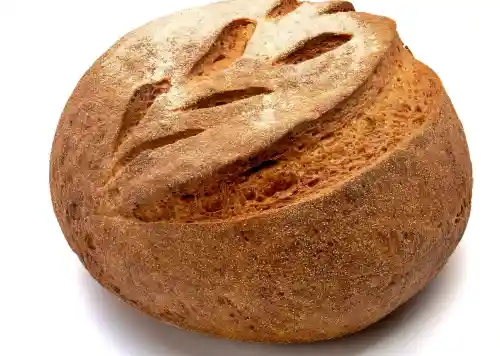
Final Thoughts: Mind over Matter.
At the end of the day, bread is a tool. It can be a source of quick energy and comfort, or it can be a source of empty calories and digestive distress. The difference lies in the quality of the loaf and the intent of the eater.
If you feel heavy after eating, listen to your body. It might be reacting to the industrial additives or the lack of fermentation. Switch to a local bakery that uses traditional methods, or experiment with grain-free alternatives for a week to see how your energy levels shift.
Weight loss isn’t about restriction; it’s about optimization. By choosing high-quality, high-fiber, fermented breads and being mindful of what you put on them, you can enjoy your morning sandwich while moving closer to your health goals.
Have a wonderful, balanced day!
