

2026 Virals. It’s easy to think that the era of global health crises is a relic of the past, tucked away in news archives from a few years ago. However, if you talk to any epidemiologist, they will tell you a very different story.
As we move through 2026, the global landscape of infectious diseases is shifting beneath our feet. We are no longer just looking at “old enemies” like the seasonal flu; we are facing a convergence of factors climate change, rapid urbanization, and increased human-animal interaction that has turned our planet into a high-speed highway for pathogens.
While the world has regained its rhythm, scientists are sounding the alarm. The year 2026 marks a critical juncture where several viruses are demonstrating an uncanny ability to evolve, jump species, and cross borders faster than our surveillance systems can keep up.
To stay ahead of the curve, we must look closely at the three primary contenders that experts believe pose the most significant risk to global stability and public health this year.
2026 Virals Influenza A.
The Master of Disguise and the Bird Flu Evolution.
When we hear the term “Influenza A,” many of us think of a week in bed with a fever and a box of tissues. It sounds familiar, perhaps even mundane. But in the world of virology, Influenza A is the ultimate “wildcard.” It is a virus characterized by its incredible genetic instability, allowing it to mutate and swap genetic material in a process known as antigenic shift.
The alarm bells started ringing louder in 2024 when a specific strain of highly pathogenic avian influenza (H5N1) took an unexpected turn. For the first time, it was detected in dairy cattle across the United States. This was a pivotal moment: a virus typically associated with birds had successfully established itself in mammals that live in close, daily contact with humans.
The Risk in 2026.
As of 2026, the primary concern isn’t just that birds or cows are getting sick it’s the bridge to human-to-human transmission. While most cases have so far been limited to farm workers and those in direct contact with livestock, the virus is “learning.” Every time the virus infects a mammal, it gains an opportunity to adapt to mammalian biology.
The danger is twofold:
- The Surveillance Gap: Many countries have scaled back their intensive flu monitoring programs post-pandemic, making it harder to track these mutations in real-time.
- The “Silent” Spread: In some livestock, the symptoms are mild, meaning the virus can circulate undetected for months, quietly refining its ability to infect humans more efficiently.
If Influenza A manages to achieve sustained human-to-human transmission in 2026, we won’t be dealing with the “familiar” flu. We will be facing a virus to which the global population has little to no pre-existing immunity.
Mpox (Monkeypox).
Beyond the Borders of the Tropics.
Once considered a neglected disease confined to remote regions of Central and West Africa, Mpox shattered that perception in 2022. Since then, it has proven that in a hyper-connected world, no virus stays “local” for long.
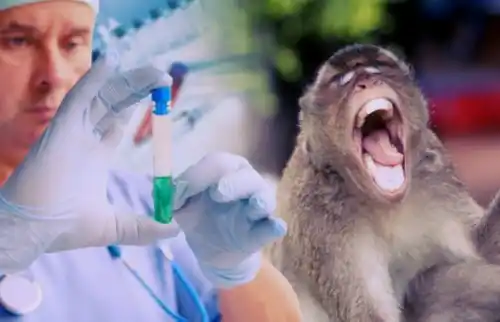
Mpox is a viral zoonosis (a virus transmitted to humans from animals) with symptoms similar to smallpox, though clinically less severe. It manifests as a grueling ordeal of high fever, exhaustion, and a characteristic painful rash that can last for weeks. It spreads through close personal contact, which in our densely populated urban centers, makes containment a logistical nightmare.
The Current Situation in 2026.
The narrative of Mpox has changed. We are no longer looking at a single outbreak, but a virus that has established “pockets” of circulation globally. New variants are being recorded with increasing frequency in the United States, Europe, and Asia.
Crucial Observation.
Some newer strains of Mpox are showing subtler symptoms in the early stages, allowing infected individuals to move through society and travel internationally before they even realize they are ill.
While a vaccine exists, the challenge in 2026 is distribution and mutation. Access to preventative measures remains unequal, and the virus continues to evolve in ways that may eventually challenge the efficacy of current treatments. History has shown us that ignoring “peripheral” outbreaks is a recipe for a global disaster; Mpox is a vivid reminder that a threat anywhere is a threat everywhere.
Oropouche Virus.
The “Sloth Fever” Moving into the City.
Perhaps the most mysterious and rapidly emerging threat on the 2026 radar is the Oropouche virus. Traditionally associated with the Amazon rainforest and often linked to sloths (hence its nickname), Oropouche has staged a dramatic geographical expansion.
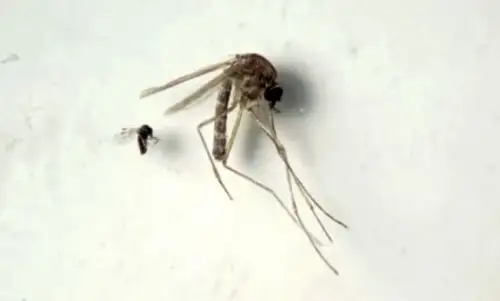
Unlike the flu, which is respiratory, Oropouche is an arbovirus—transmitted by the bite of tiny midges (biting gnats) and certain types of mosquitoes. What makes Oropouche particularly terrifying in 2026 is its adaptability.
It is no longer a “jungle disease.” The midges that carry it have adapted perfectly to urban environments, finding breeding grounds in city parks, gardens, and backyard waste.
Why Oropouche is a Priority Threat:
- Expanding Geography: In 2024, the first “imported” cases were seen in Europe. By 2026, the habitat of its carriers has expanded northward due to rising global temperatures, putting previously unaffected regions at risk.
- Severe Complications: While it often presents like Dengue fever (headaches, muscle aches, nausea), recent data has shown more sinister outcomes, including fatal cases and vertical transmission from pregnant mothers to their children, leading to potential developmental issues.
- The Medical Void: As of today, there is no vaccine and no specific antiviral treatment for Oropouche. This lack of medical defense is why the World Health Organization (WHO) has officially placed it on the “Blueprint Priority” list.
The Common Thread: Why Now?
These three viruses are vastly different in how they spread and how they affect the body, but they share a common catalyst:
1. Climate Change: Warmer winters and hotter summers allow insects (like the Oropouche-carrying midges) to survive in new latitudes and stay active longer.
2. Encroachment: As we cut down forests and expand our cities, we come into closer contact with wildlife. The viruses that once stayed in the canopy of the Amazon or the heart of the Congo are now just one bite or one handshake away from a global airport.
3. Global Travel: In 2026, a virus can travel from a remote village to a major metropolis in less than 24 hours well within the incubation period of most infections.
The 2026 Viral Defense Guide
Smart Prevention in a Changing World
While the headlines focus on the threats, your personal safety depends on three distinct layers of protection: Environment Control, Personal Hygiene, and Immunological Awareness.
- Influenza A (Avian/Livestock Strains)
Focus: Avoiding the animal-to-human bridge.
- Dairy & Poultry Safety: Avoid consuming raw (unpasteurized) milk or undercooked eggs and poultry. 2026 data shows that heat is your best friend in neutralizing H5N1.
- The “One-Meter Rule”: When visiting farms or parks, maintain a distance from wild birds and livestock. If you see a dead or sick animal, do not touch it; report it to local wildlife authorities immediately.
- High-Risk Protection: If you work with animals, use N95 respirators, gloves, and eye protection. The virus can enter through the mucous membranes of the eyes just as easily as the nose.
- Mpox (Clade Ib and II)
Focus: Limiting close-contact transmission.
- Vaccination Check: Ensure you have completed the 2-dose JYNNEOS series. If you were vaccinated in 2022, check local 2026 guidelines regarding “Clade Ib” specific boosters, which are being deployed in high-transmission zones.
- Symptom Awareness: Be vigilant about “atypical” rashes. In 2026, some strains present with only one or two lesions that can be mistaken for an ingrown hair or a bug bite.
- Travel Vigilance: Before traveling to regions with active community transmission (currently parts of Africa, Europe, and the US), consult a travel clinic for the latest outbreak maps.
- Oropouche Virus (Sloth Fever)
Focus: Vector management (Midge and Mosquito defense).
- The “Micro-Mesh” Barrier: Oropouche is carried by midges (tiny gnats), which are small enough to fly through standard window screens. Use fine-mesh netting and ensure your living space is well-sealed.
- Chemical Defense: Use repellents containing DEET, IR3535, or Icaridin. Midges are most active during the early morning and late afternoon; wear long sleeves and pants during these “peak bite” windows.
- Pregnancy Precautions: Because of the risk of vertical transmission to the fetus, pregnant women should exercise extreme caution in areas where Oropouche is circulating, prioritizing indoor activities and strict repellent use.
| VIRUS | PRIMARY THREAT | KEY ACTION | “PRO TIP” 2026 |
| Influenza A | Zoonotic Jump | Cook & Pasteurize | Avoid raw milk; it’s a high-risk vector in 2026. |
| Mpox | Close Contact | Get 2 Doses | One dose is not enough for the new Clade Ib. |
| Oropouche | Tiny Insects | Micro-Mesh Nets | Standard screens won’t stop the midges. |
General “Rule of Thumb” for 2026:
The Hygiene Pivot: We are moving from a world of “hand sanitizer for everything” to a world of “specific barriers.” Use masks for flu, vaccines for Mpox, and specialized repellents for Oropouche.
Vigilance Over Panic
The goal of identifying the is not to incite fear, but to foster a culture of preparedness. We have seen what happens when the world is caught off guard. The “surprises” these viruses offer are only devastating if we are not looking for them.
The return of familiar infections in more aggressive forms is a reminder that public health is not a “one and done” task. It requires constant monitoring, international cooperation, and a willingness to fund science even when there isn’t an active pandemic on the front pages.
By staying informed and supporting global surveillance efforts, we can ensure that these three threats remain manageable challenges rather than the next global catastrophe.
Have a Great Day!

I completely agree, fact and suggestion…